The Darjeeling Himalayan Railway: The Toy Train’s 2-Foot Narrow Gauge, Z-Reverses, Spirals, and Batasia Loop Heritage

Darjeeling Himalayan Railway track loop and panoramic views at Batasia Loop near Ghoom

Clinging precariously to the mist-shrouded foothills of the Eastern Himalayas in West Bengal, India, the Darjeeling Himalayan Railway (DHR)—affectionately christened the Toy Train—is an undisputed masterwork of mountain railway engineering. Engineered between 1879 and 1881 under Franklin Prestage, agent of the Eastern Bengal Railway, this 54-mile (88 km) line climbs from the hot, swampy plains … Read more

The Canadian Pacific Railway: Rogers Pass, Kicking Horse Spiral Tunnels, and Continental Confederation

Canadian Pacific freight train crossing a soaring mountain trestle in the Canadian Rocky Mountains

The construction of the Canadian Pacific Railway (CPR) between 1881 and 1885 stands as the supreme nation-building epic in North American history. Spanning nearly 3,000 miles across the pre-Cambrian granite of the Canadian Shield, the vast emptiness of the Great Plains, and the titanic barriers of the Rocky and Selkirk Mountains, the CPR was the … Read more

Trestles, Viaducts, and Cantilevers: The Evolutionary Engineering of the Firth of Forth Bridge and Mountain Rail Passes

The massive red steel cantilever arches of the Forth Bridge spanning the Firth of Forth in Scotland

The railway expansion across planetary geography confronted profound chasms: tidal estuaries, abyssal mountain canyons, and broad river valleys that could not be conquered by standard earthen embankments. To carry heavy, dynamic train loadings across these voids without excessive gradients, nineteenth-century civil engineers created monumental structural typologies: the sprawling timber trestles of the American frontier, the … Read more

Permanent Way Civil Engineering: Subgrade Mechanics, Ballast Compaction, Timber Ties, and Continuous Welded Rail (CWR)

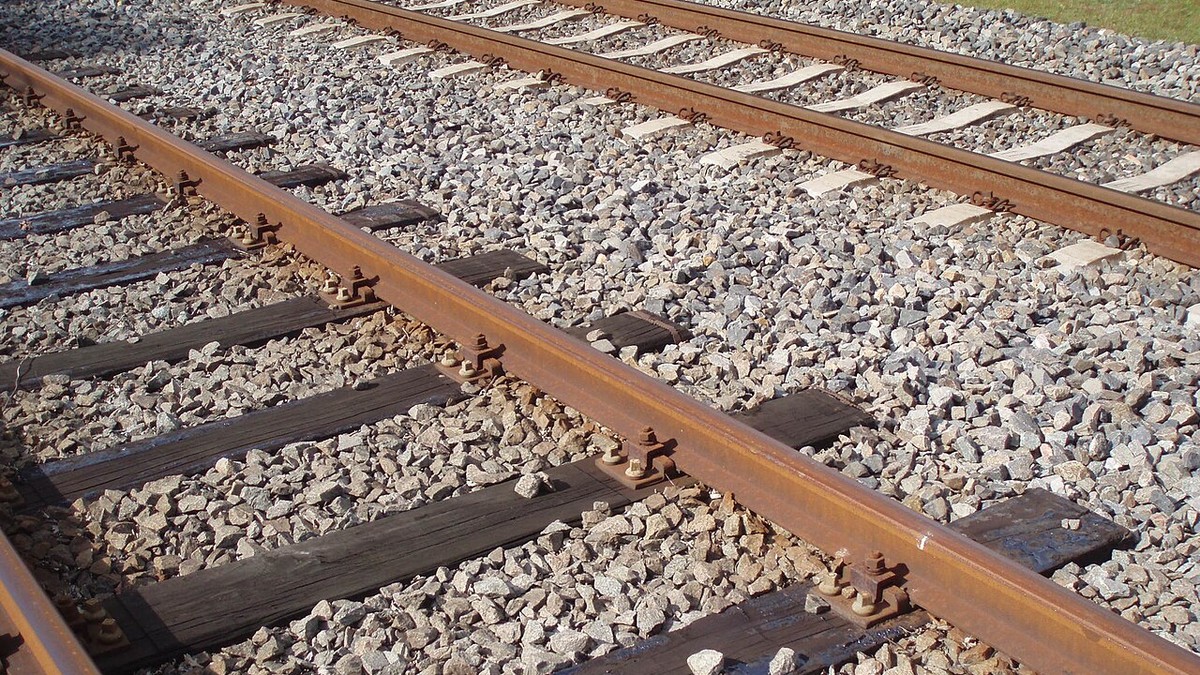
Railway track permanent way featuring crushed rock ballast prestressed concrete ties and steel rails

The permanent way—the foundational infrastructure comprising the formation subgrade, granular ballast, cross-ties (sleepers), fastenings, and running steel rails—represents the most critical civil engineering system in rail transport. Unlike highway pavements that distribute static axle loads broadly across sub-base soils, a railway track structure is an elastic beam on a resilient foundation, subjected to violent dynamic … Read more

Railway Track Geometry, Gradient Compensation, and Superelevation: Cant Physics, Transition Spirals, and Derailment Mitigation

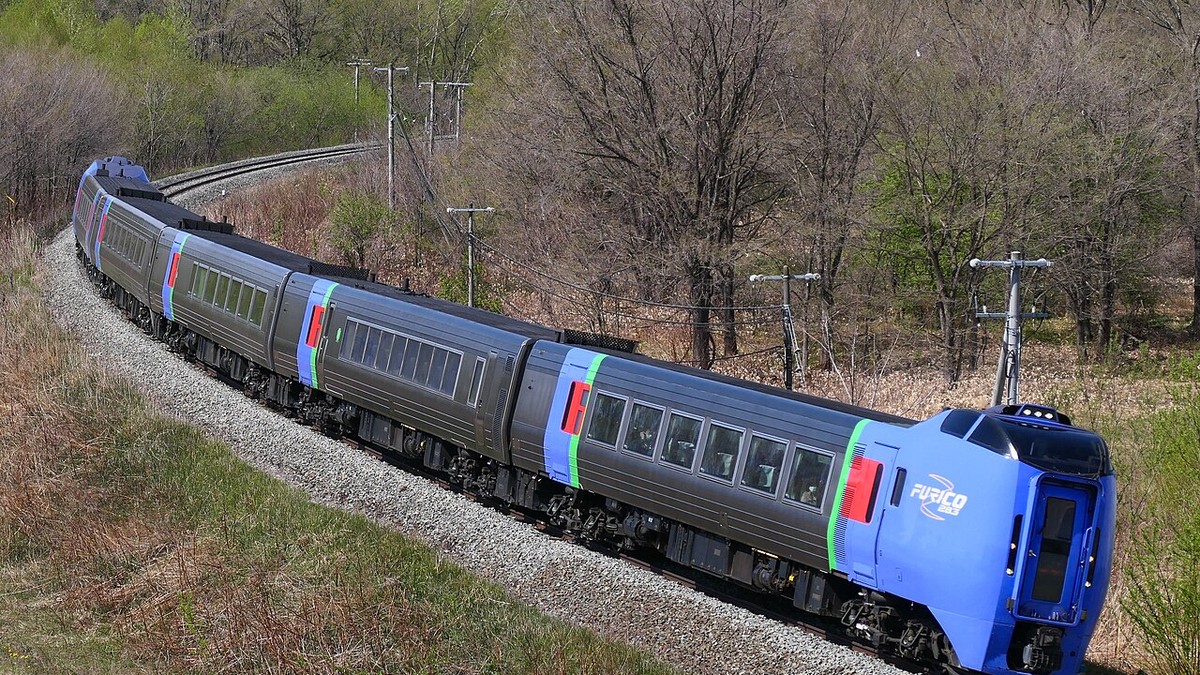
Modern high speed tilting passenger train banking sharply through a superelevated track curve

The physics of guided terrestrial locomotion is dictated by precision track geometry. Unlike an automobile whose driver steers actively across an open roadway, a railway vehicle is guided entirely through the passive kinematic contact between its coned steel wheel treads and the steel railhead profile. As train speeds scale from nineteenth-century 30-mph branchlines to modern … Read more

Alpine Tunneling Masterpieces: Compressed-Air Shields, Hydraulic Drills, and the Breakthroughs of the Simplon and Gotthard Bores

Historic stone masonry portal of the Gotthard Alpine railway tunnel in Switzerland

The Alps presented the ultimate geographic wall separating Northern and Southern Europe. For millennia, trade between Italy, Switzerland, France, and the German states was choked by treacherous high-altitude mountain passes closed by snow and ice for eight months of the year. The nineteenth-century railway conquered this formidable barrier not by scaling peaks with impossible cogwheel … Read more

Union Pacific Big Boy and American Articulated Titans: 4-8-8-4 Wheel Arrangement, Superheated Steaming, and Heavy Freight Haulage

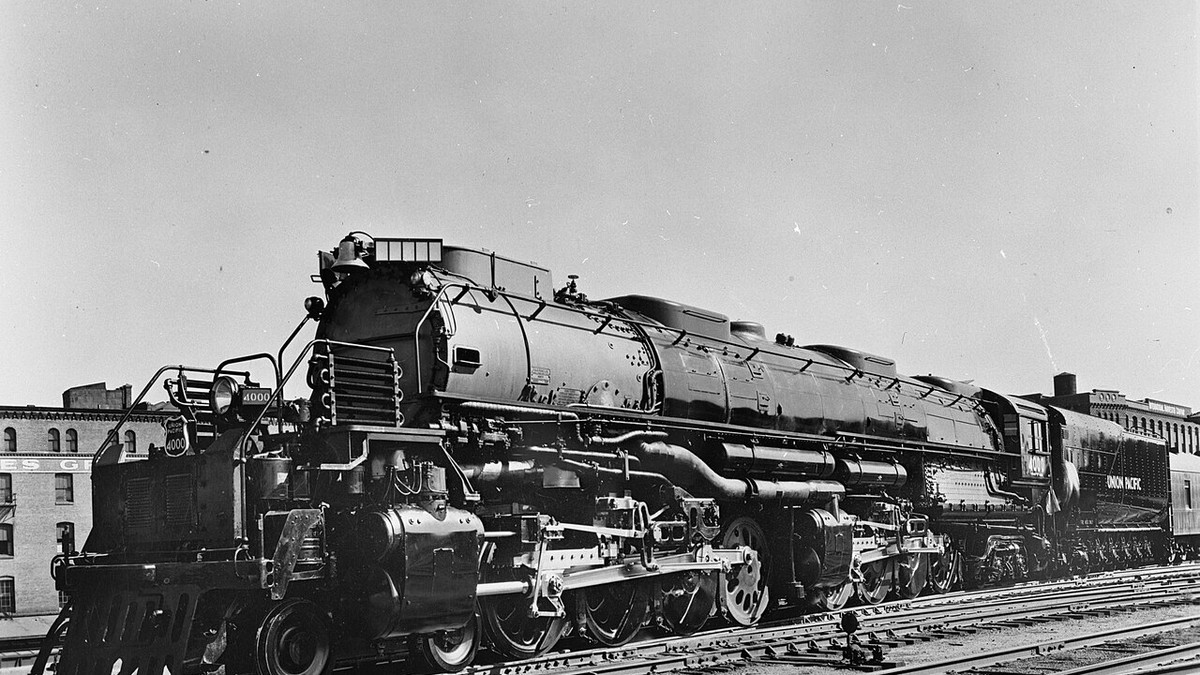
Union Pacific Big Boy No 4014 colossal 4-8-8-4 articulated steam locomotive under full steam

In the pantheon of global mechanical engineering, the Union Pacific 4000-class ‘Big Boy’ stands as the undisputed titan of steam locomotion. Engineered in 1941 by the Union Pacific Railroad’s Department of Research and Mechanical Standards under Otto Jabelmann, in collaboration with the American Locomotive Company (ALCO) of Schenectady, New York, these colossal 4-8-8-4 articulated locomotives … Read more

The Flying Scotsman and the A3 Pacifics: Nigel Gresley’s Aerodynamic Masterpiece and the Non-Stop London-to-Edinburgh Run

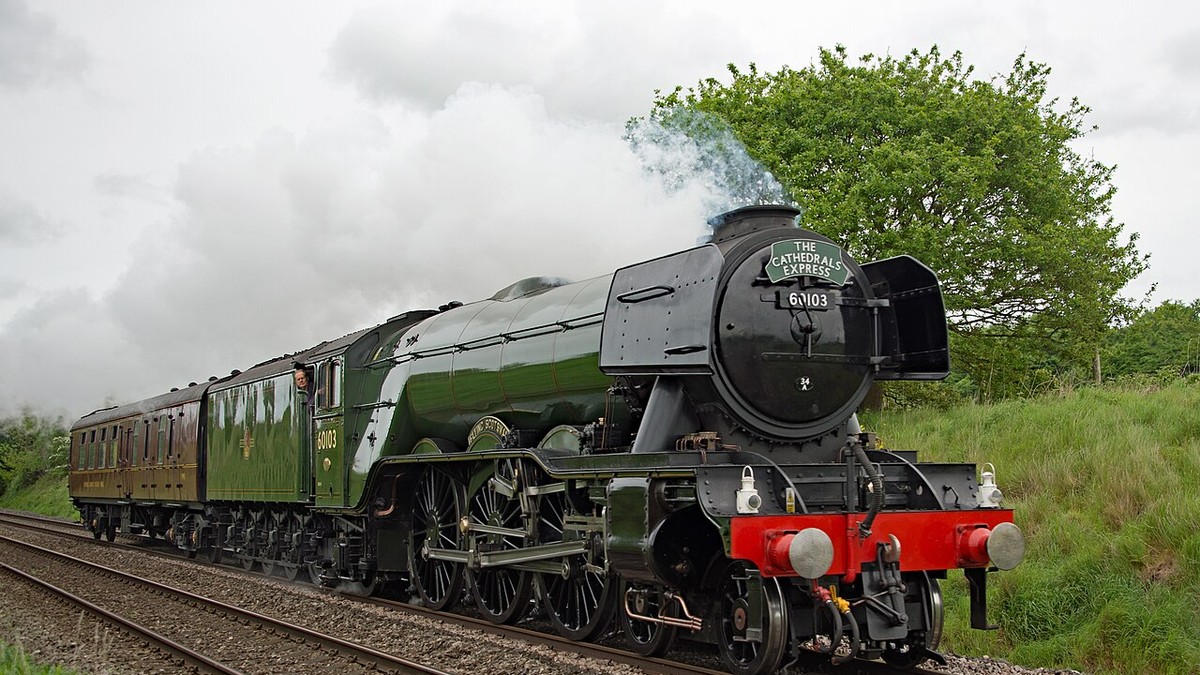
LNER Class A3 No 4472 Flying Scotsman steam locomotive in Apple Green livery

Few mechanical artifacts in industrial history possess the transcendent celebrity and cultural resonance of London and North Eastern Railway (LNER) Class A3 No. 4472 Flying Scotsman. Emerged from the Doncaster Works in February 1923 under the visionary direction of Chief Mechanical Engineer Sir Herbert Nigel Gresley, this 4-6-2 ‘Pacific’ type locomotive became the supreme ambassador … Read more

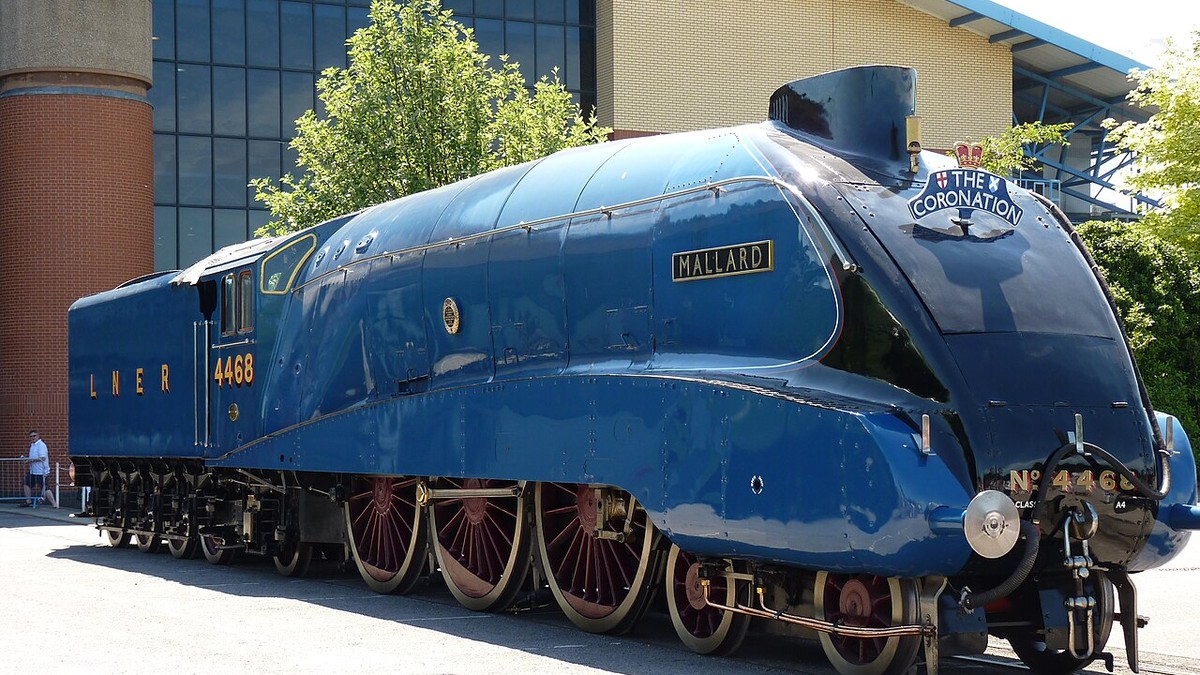
The Mallard and the Streamlined Era: Gresley A4 Mechanics, Boiler Thermodynamics, and the 126 MPH World Speed Record

LNER Class A4 No 4468 Mallard in Garter Blue livery showing aerodynamic streamlining

On July 3, 1938, on the gentle downward gradient of Stoke Bank south of Grantham on the East Coast Main Line, LNER Class A4 Pacific No. 4468 Mallard hurtled into world immortality. Clocked at an authenticated peak velocity of 126.0 miles per hour (202.8 km/h), Mallard established the definitive world speed record for steam traction—a … Read more

The Orient Express: Luxury Diplomatic Voyaging, CIWL Rolling Stock, and Continental Espionage (1883–1977)

Classic midnight blue Compagnie Internationale des Wagons-Lits luxury dining carriage

No train in the annals of railway history has captured the romantic imagination, literary mystique, and geopolitical intrigue of the Orient Express. Inaugurated in October 1883 by Belgian entrepreneur Georges Nagelmackers and his Compagnie Internationale des Wagons-Lits (CIWL), this rolling palace carved an iron conduit across the fractured borders of continental Europe, connecting Paris directly … Read more